
"Ethiopian coffee varieties"
4000 article(s) found

Sweet Ethiopian Coffee Flavor description Variety characteristics introduction of boutique Coffee beans
Ethiopian coffee beans grow in close to the natural environment, after years of planting under the same growth conditions, Ethiopian coffee beans have gradually adapted to the environment here. More than 60% of coffee beans are grown in forests or semi-forests. Large-scale coffee-growing villages account for about 35% of the country's total coffee production. Many of these are used.

A brief introduction to the varieties describing the flavor, taste and aroma characteristics of Ethiopian coffee bean Yega Xuefei
In 2010 and 2012, it continuously won the ultra-high rating of CoffeeReview92 and 94 points of the authoritative coffee review website in the United States. The producing area belongs to volcanic soil with rich nutrients and good drainage. These fertile nutrients are maintained by the degradation of natural organic matter. This batch is located at

Ethiopian coffee beans grinding scale processing method taste estate varieties production area introduction
Ethiopia grows coffee in different climatic zones, so it has more than 140 farm varieties and fresh coffee production all year round. The quality of Ethiopian coffee varies according to different altitudes and geographical ecological environments. Harar coffee from the South-East Highlands is typical mocha coffee with a rich aroma; Wollega coffee from the South-West has a strong fruity flavor;Limu coffee

Ethiopian Kocher Coffee Bean Taste Grind Scale Flavor Description Estate Variety Introduction
Ethiopian Kocher Coffee Bean Taste Grind Scale Flavor Description Manor Variety Introduction Ethiopian Yirgacheffe Coffee is petite, but gentle and delicate, sweet and pleasant. As the home of coffee, Ethiopia's millennia of growing and processing traditions have resulted in high-quality washed Arabica beans. Light baked with unique lemon, flower

The three primary species of coffee. What are the original species of coffee beans?
Professional coffee knowledge exchange more coffee bean information Please follow the coffee workshop (Wechat official account cafe_style) when we talk about Ethiopian coffee, some people will use the words jasmine, rose fruit, magnolia and other words to describe the smell of flowers, but have you ever wondered why these specific varieties with floral flavor are often summed up as "native species"? In the third Boca

Introduction to Ethiopian boutique coffee
Saifeng is one of the highest quality coffee producers in the world. The unique geographical environment, a wide variety of coffee varieties and the tradition of wet processing make Ethiopian coffee bring us bright and vivid taste and rich fruit and flower aromas.

Ethiopian Coffee beans | Ethiopian Coffee producing areas | Yedamei Cooperative
Professional coffee knowledge exchange more coffee bean information please follow the coffee workshop (Wechat official account cafe_style) Ethiopian coffee Yega Xuefei G1 Adamei Ethiopia Yirgacheffe G1 Washed Adame Gorbota ■ country: Ethiopia ■ coffee producing area: Vanaguo ■ altitude: 1750m ■ treatment: washed ■ grade: G1 ■

Introduction to the characteristics of coffee flavor and taste of Ethiopian coffee manor with long, pointed beans
The highest grades of Ethiopian washed coffee Yega Chuefei G1 G2 Sidamo (Yirgacheffe, Sidamo) are Grade 2 and Grade 3 (G2, G3), while most of the sun-processed coffee in eastern Ethiopia are Grade 4 or Grade 5 (G4, G5). In many cases, level 4 coffee is marked as level 5 in order to reduce taxes. At present, the grading is not uniform and messy, because there is also sun processing.

Introduction to the grade of Ethiopian coffee beans
Even the official research unit of Ethiopia does not know how many Arabica subspecies there are in Ethiopia. The coffee cooperatives in this mountain are certainly different from those planted in another mountain, and even small farmers in the same region grow different varieties of coffee. It has been estimated that there are at least 2000 varieties of Ethiopian coffee and even more than 4500 kinds of coffee. Compared to the southern neighbor Ken

Essel Coffee Bean Brand recommendation _ how to choose Ethiopian Coffee beans _ list of flavors of Ethiopian Coffee producing areas
For more information on coffee beans, please follow the Coffee Workshop (Wechat official account cafe_style). A sixteenth-century Lebanese scholar, Faustus Nairous Barlesius, wrote in his book the Sleepless Monastery that the origin of coffee was discovered by shepherds living in the Ethiopian highlands in the sixth century. ● coffee starts here in Ethiopia.

Introduction to the description of Flavor of Ethiopian Coffee Bean by Variety treatment
Ethiopia grows coffee in different climatic zones, so it has more than 140 farm varieties, and fresh coffee is produced all the year round. The quality of Ethiopian coffee varies according to different elevations and regional ecological environment. The Harar coffee in the southeast highland is a typical Muha coffee with a strong flavor; the coffee produced in the southwest Wollega has a rich fruity flavor; Limu coffee

Flavor description of Ethiopian Sidamo Lion King Coffee Bean introduction of Grinding scale varieties
Ethiopian Sidamo Lion King Coffee Bean Flavor description Grinding scale varieties introduce the main producing areas of Ethiopian coffee are Harald in the east, Djimmah in the southwest and Sidamo in the south. It is full of floral and citrus aromas, with mild acidity after moderate roasting and strong after deep roasting.

The entrance of Ethiopian coffee is full of floral, fruity, sour and sweet aromas.
Even the official research unit of Ethiopia does not know how many Arabica subspecies there are in Ethiopia. The coffee cooperatives in this mountain are certainly different from those planted in another mountain, and even small farmers in the same region grow different varieties of coffee. It has been estimated that there are at least 2000 varieties of Ethiopian coffee and even more than 4500 kinds of coffee. Compared to the southern neighbor Ken

What is the flavor of Ethiopian coffee? what are the characteristics of Ethiopian coffee?
For more information on coffee beans, please follow the Coffee Workshop (Wechat official account cafe_style). A sixteenth-century Lebanese scholar, Faustus Nairous Barlesius, wrote in his book the Sleepless Monastery that the origin of coffee was discovered by shepherds living in the Ethiopian highlands in the sixth century. Coffee starts here in Ethiopia and Fei.

Ethiopian coffee bean grade analysis coffee bean common sense
Ethiopian coffee beans are divided into five levels. The first and second stages are washed beans. Washed beans Grade1 represents 3 defective beans per 300g raw beans, and Grade2 represents 4 defective beans per 300g. Gradc1 grade water washed beans are very rare and are generally difficult to buy. At present, all the washed beans exported from Ethiopia are Grade2 grade. The quality of sun-dried beans is Grade3 and Grade4 in order.

Introduction to the grinding scale for the description of taste and flavor of Ethiopian coffee beans
Ethiopian coffee bean variety classification characteristics taste description grinding scale introduction Ethiopian washed Jima mocha, looks very clean, but some untidy, while untidiness is a nightmare of baking, it is always uneven in depth; in order to appreciate the original flavor, try not to pick too much, so as not to affect the overall taste. Because
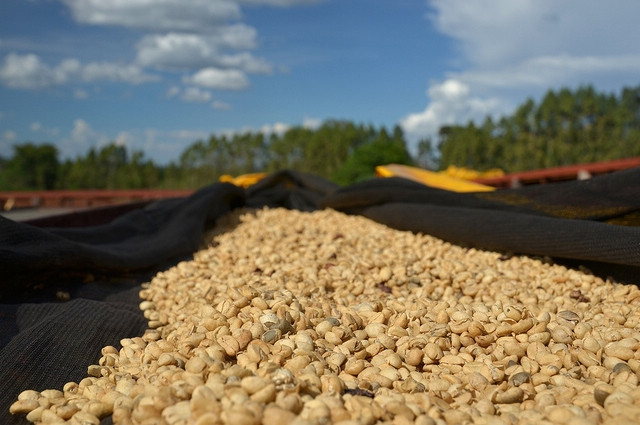
Famous Ethiopian coffee, famous African beans, Ethiopian Sidamo sun-treated lions.
Compared with other coffee-producing countries, the coffee grown in Ethiopia attracts more attention than other coffee-producing countries, including Gemma Jimbi, Harald, Limuyegechefi and other varieties. In addition, Ethiopia is the home of the world's earliest coffee, the ancient Abyssinia coffee. So, the current situation of coffee cultivation in Ethiopia is

Ethiopian coffee flavor Ethiopian coffee characteristics Ethiopian coffee taste
Ethiopia has unique natural conditions suitable for growing all imaginable varieties of coffee. As a upland crop, Ethiopian coffee beans are mainly grown in areas between 1100 and 2300 meters above sea level, roughly distributed in southern Ethiopia. Deep soil, well drained soil, weakly acidic soil, laterite and soil are soft and contain

Flavor description of Ethiopian Coffee Manor Variety characteristics introduction of Fine Coffee beans in producing areas
A large amount of coffee production (95%) is done by small shareholders, with an average yield of 561 kg per hectare. For centuries, minority holders of Ethiopian coffee farms have been producing a variety of high-quality types of coffee. The secret of producing high-quality coffee is that coffee growers have developed environmental conditions through generations of repeated learning about the coffee planting process.

Taste Unique Ethiopian Yega Shefi Cochir Estate Coffee Flavor Description Taste Variety Introduction
In Ethiopia, people take pride in coffee and see it as a gift to the world. To this day, many Ethiopian families still maintain the ritual of daily coffee celebrations, with the hostess of each family inviting family and neighbors for coffee more than once a day. In their view, this is a way to show friendship and respect. Ethiopia is a magical land, filled with